The Unwelcome Birthday Present What They Dont Tell You About RMDs
The Letter Nobody Wants To Receive
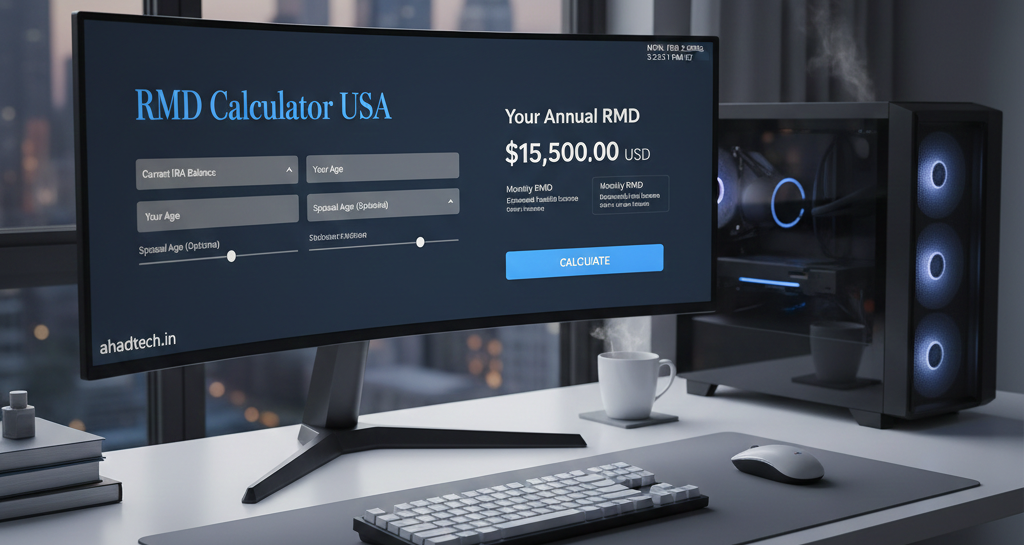
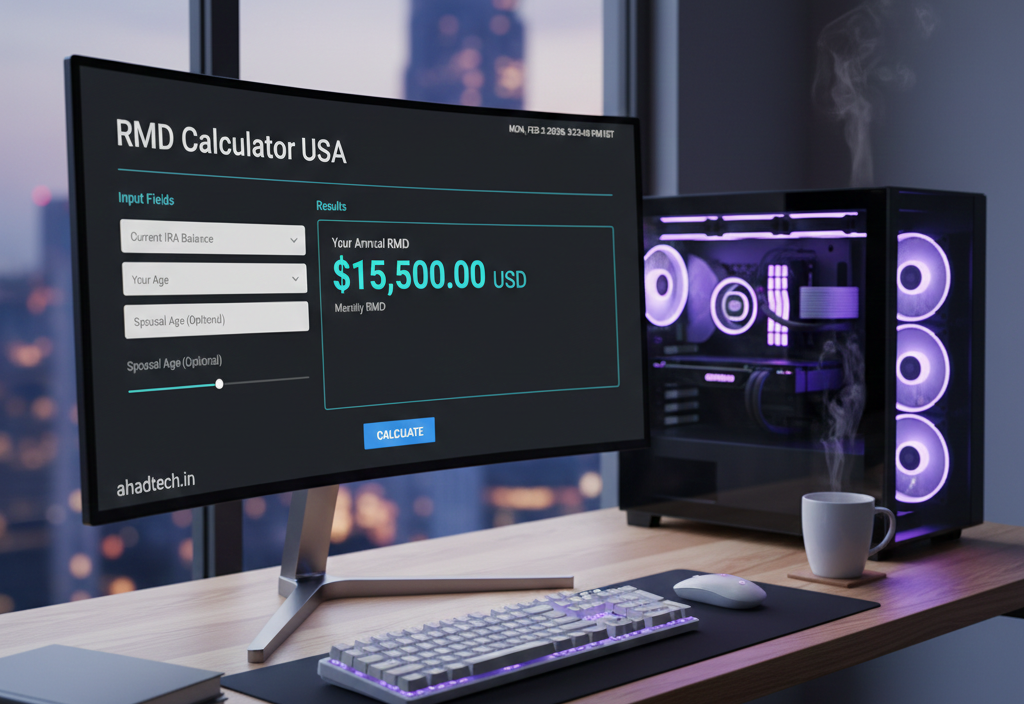
USA RMD Calculator
Late in your sixties, maybe when thoughts turn to seeing that faraway park or watching grandchildren grow, a letter shows up. From your bank, it comes – neatly worded, calm on the surface, yet stirring quiet unease inside. Called an RMD Notice, it lands like a whisper where silence used to be
Mandatory withdrawals. A phrase that might shift calm golden years into number-crunching stress.
My client Martha, a retired librarian, put it perfectly when hers arrived: “For forty years, everyone told me not to touch my retirement money. ‘Let it grow,’ they said. Now they’re telling me I have to take it out, and they’ll tax me when I do. It feels like a bait and switch.”
She’s not wrong.
The RMD Reality Retirement Accounts Have Expiration Dates
That old IRA or 401(k)? Picture it as milk tucked away in a fridge owned by the feds. Years pass – decades, really – and nobody touches it, just chilling, growing fuller each year. Tax perks came along back then, sweetening the deal every time you poured more in. Yet here’s what shows up lately, printed bold near the edge: Open this carton before turning seventy-three
Before the milk sours, so does your chance to keep its value. The state reaches in, taking what they claim belongs to them.
Truth hits hard when the cake is gone. Those savings tucked away, growing quietly? Not free money. Think of them more like borrowed time. The government waved taxes aside earlier, only promising to come back later. Now that promise shows up. Mandatory withdrawals begin – not punishment, simply settling old tabs. Later years bring many changes; this one arrives with paperwork and precision.
The Numbers Haunting Older Adults Late at Night
A twist hides in plain sight here. Your retirement total from last year’s final day sets the starting point. That amount gets split – use a figure from an IRS chart tied to how old you are now. Out pops the sum you pull out before year’s end.
Yet here, ease fades fast.
Which table matters now? Three options sit there. Multiple accounts add clutter. A younger spouse changes timing. An inherited IRA from your mom twists rules further. Figuring taxes owed feels like cracking code.
If you mess up, hope divine intervention comes your way.
Mess up your withdrawal amount? Half of what you missed gets taken as punishment. See that number – fifty percent – it’s real. Skip pulling twenty grand? Ten thousand vanishes right away. Then pay regular tax on the full sum anyway.
It’s the government’s way of saying, “We’re very serious about getting our money.”
The First-Year Trapdoor
That first RMD year is the trap. It sneaks up when you least expect it.
If June 2024 marks your 73rd birthday, then April 1, 2025, is the latest you can pull out that initial RMD. Seems like plenty of time at first glance. Hold on a second though.
Last day of 2025 is when you must handle your 2025 RMD.
One year might hold two years of payouts, landing you in a steeper tax zone. That shift can lift your Medicare costs. It may also cause a bigger slice of Social Security income to count as taxable.
“It’s like finally reaching the front of a very long line,” my client Tom, a retired engineer, told me, “only to have them tell you you have to carry twice as much baggage.”
The Emotional Rollercoaster of Turning Into a Spender
What if money feels heavier than numbers show? That quiet change inside matters most. Not charts, but how breathing slows at night. A different kind of weight settles. Numbers shift, yes – yet it’s the silence between thoughts that alters everything. This part gets missed more than spoken. Quiet moments hold louder truths.
Four decades spent saving. Money moved without thinking, accounts swelling over time, satisfaction rising along with the digits. That balance sheet turned into something trusted – like a promise held tight that things would work out.
One moment it’s warmth, next they demand each strand pulled loose – no matter if shivers start.
Sarah, a 74-year-old former teacher, confessed: “Every time I take an RMD, it feels like failure. Like I’m eating my seed corn. I don’t need the money – my pension covers my expenses. So I just move it to my savings account and feel guilty looking at it.”
This hidden truth about RMDs hits hard: for plenty of well-off retirees, these withdrawals don’t fill empty pockets. Instead, taxes swell – along with deeper questions. A quiet burden grows where relief was promised.
The Silver Linings Exist
Floating through the gray days, some tools bob along – small rafts when retirement waves rise
At 70 and a half – right before required withdrawals kick in – you’re allowed to shift funds straight from an IRA to a recognized charity. This move satisfies part of your mandatory withdrawal, yet stays out of your taxed earnings. Think of it as the IRS offering a deal: skip the tax if the cash goes to a worthy group. Retirees who like giving find this especially useful.
Here’s how it works. A Roth IRA doesn’t force withdrawals while you’re alive. Shifting funds from a traditional account to a Roth means settling taxes upfront. That move wipes out future required distributions, dollar for dollar. Think of it as handling things early – your way, your timing.
A different idea pops up when retirement accounts start demanding withdrawals. Money must come out each year, so why not send some toward a grandkid’s college fund. A niece might get help buying her first home instead. Maybe the whole crew finally takes that trip together across oceans. Since the law requires spending, let moments matter more than savings. Watching joy happen feels better than watching balances grow.
The Talk That Matters Right Now
If you’re in your 60s, here’s what to do:
- Your RMD date ties to age 73. That birthday marks a key point – highlight it clearly. Planning sharpens the prior year. Focus shifts earlier than many expect.
- Start by pulling together every account statement. Old job 401(k)s belong here too. If freelance gigs came with a SEP IRA, include that one. Traditional IRAs count without exception. What matters most is showing everything added up. The full picture goes straight to the IRS.
- Start by testing out the calculators. Good tools – such as the SECURE RMD version – show possible futures. Input your figures one at a time. Watch how things appear at 73, then 80, later 85. What shows up could catch you off guard.
- Talk it over with loved ones. When passing on retirement savings, remember the rules shifted because of the SECURE Act. Heirs could face a deadline – ten years – to drain inherited IRAs, maybe right when their income hits its highest point. It may make sense to use funds today instead; taxes might be lighter now than later. A gentler gift? Using money while you’re here, rather than leaving a burden behind.
The Million Dollar Question What Will You Do With The Money?
Money lands in your bank after taxes take their share. That moment changes things. It stops being a rule or number. Suddenly, it feels different. How you see it matters now.
Some see it as a cushion against risk. Others view it as the moment they take that long-delayed journey to Italy. Many feel it marks another year gone – prompting them to savor what they’ve created so far.
My favorite client story comes from Harold, 76, who hated his RMDs until his daughter had a brilliant idea: “Dad, what if that’s your ‘fun fund’? What if every year, you use that money for something that brings you joy?”
Last year, that old guitar finally found its way into Harold’s hands, something he’d waited on since age twenty. This time around, the same money fills suitcases instead of cases – Yellowstone awaits, packed with grandkids and trail maps. Same RMD number shows up each month, yet what it carries feels different now.
The Truth Brokers Don’t Share
When retirement accounts grow without taxes, payouts later cannot be avoided. Taxes come due because rules say so. Instead of asking if payments happen, ask how they fit what matters now.
Perhaps Roth conversions matter most when you hit your sixties. Or perhaps giving to charity becomes clearer once you’re past seventy. Then again, realizing money brings no joy might show what ownership truly means.
A letter arrives when it’s time. Numbers must be worked out before that. Money goes to the government as required. Until then, one question sits quietly: Could RMDs become something heavier than routine?
As Martha, our retired librarian, finally concluded after we sorted her strategy: “I spent my life saving for a rainy day. I guess at some point, you have to admit it’s raining – and buy yourself a really nice umbrella.”
Your RMD works like an umbrella. Now might be a good moment to figure out how it opens.

Ahad Tech is a proper website name which is run by Mohammad Abdul Ahmed and in this website you show proper guide step by step to all exclusive content because i have experience of 13+ years of web development field and proper coder. we strive to turn our passion for Technology, Educational & Information into a thriving website to help people with daily needs.