This topic matters now more than ever for online sellers, since fresh rules are starting to reveal their price tags. Search findings suggest the 2026 EPR plastic charge will barely raise costs per cheap product, yet meeting wider requirements brings steep setup fees alongside planning challenges that can’t be ignored.
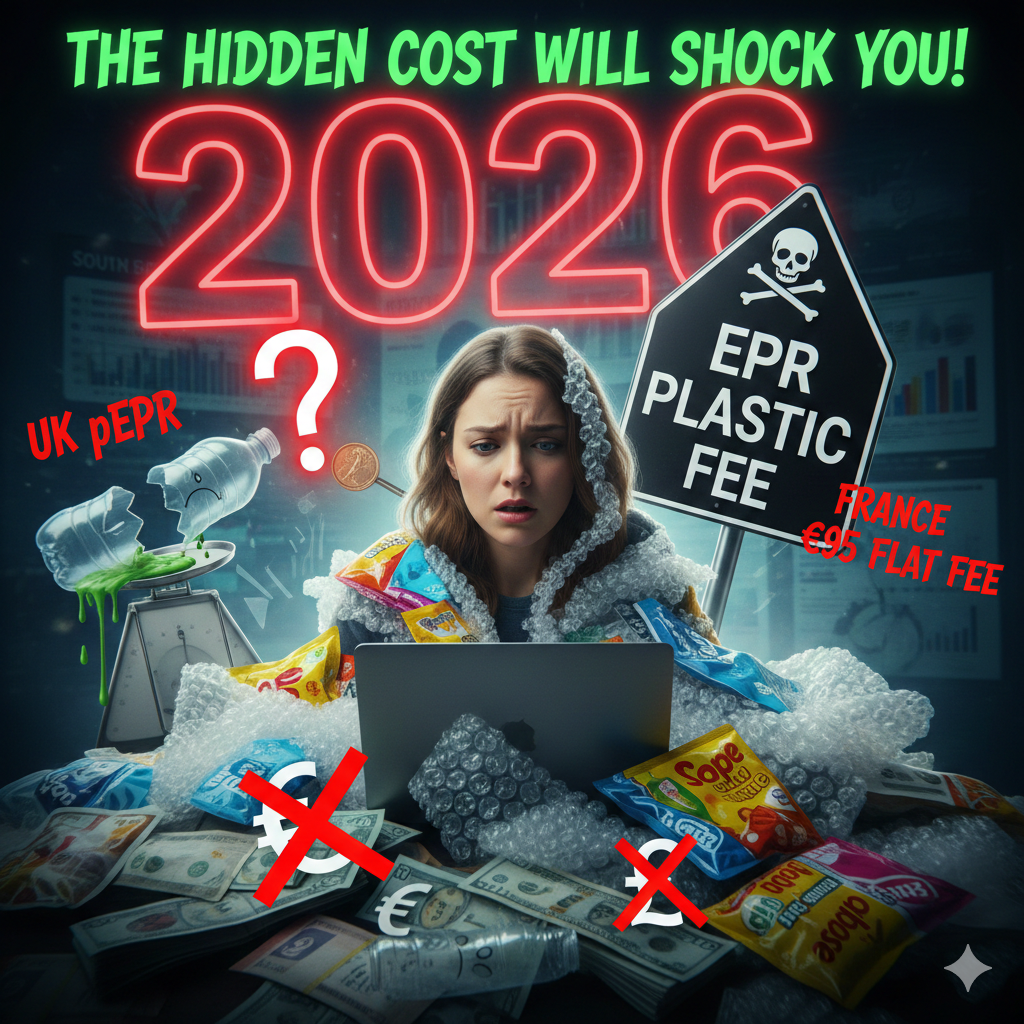
Understanding the UK’s pEPR Framework
A closer look at the subject reveals details about the UK’s pEPR framework. This system shapes how producers handle packaging waste. Responsibility shifts based on company size and material use. Some businesses must report data annually. Fees depend on both volume and recyclability. The goal is to reduce environmental harm over time. Costs pass through supply chains in varied ways. Smaller firms may qualify for exemptions under certain conditions.
Read Also : https://ahadtech.in/margin-calculator-tool-how-to-use-full-guide/
2026 EPR Plastic Fee Impact on Profit per Gram?
A small cut comes from the UK’s pEPR charge on a $15 product – think fractions of a penny. How much it affects profit ties strictly to how heavy the package is, along with its ability to be recycled.
Fees set for 2026 appear below:
- Green Plastic (£415/tonne): Priced at £415 a tonne, green plastic is commonly accepted by recycling systems. This type runs among the most recycled types due to broad processing access.
- Amber Plastic (£455/tonne): A fresh baseline now sets amber plastic at four hundred fifty-five pounds a tonne.+1
- Red Plastic (£545/tonne): Costing five hundred forty-five pounds a tonne, red plastic proves tough to recycle.
The Reality of E-commerce Packaging
A typical e-commerce setup involves sending a small, inexpensive product inside a poly bag or compact box, using light plastic materials for cushioning. Consider how much waste that generates over time – especially when multiplied across thousands of orders. One single shipment may seem harmless; however, scale changes everything. Lightweight does not mean negligible, particularly if disposal practices are poor. Packaging choices add up quickly behind the scenes. Even minor elements contribute to broader environmental strain.
Packaging Cost Comparison Table
| Packaging Type | Typical Weight | Recyclability Rating | Estimated Fee Per Unit | Fee Per Unit USD |
| Small Red Pouch (Snacks) | 2 Grams | Red (Mixed metal/plastic) | Close to 1/10th of a penny | ~$0.014 |
| Sauce Sachet | 5 Grams | Red (Layered plastic) | Around 0.27 pence | ~$0.003 |
| Pet Food Pouch | 15 Grams | Red (Stiff wrapper) | About 0.82 Pence | ~$0.01 |
| Transparent Container | 25 Grams | Green (Clear PET/HDPE) | Approx 1.04 pence | ~$0.13 |
Keep in mind: converting to USD gives a rough idea using today’s rates, meant only to help compare with your $15 product.
Even in the most extreme case – a 15-gram, red-classified package – the cost amounts to just 0.07% of a $15 sale. Lighter packaging, such as a typical 5-gram poly bag, results in charges so small they barely register
Analysis: Better or Worse Off?
The Pros
Light things cost almost nothing to list individually. Sellers pay so little per piece it barely matters in calculations. A few cents here, not dollars there – expenses stay tiny. Fees vanish into rounding errors. Numbers too small to worry about add up slowly. Charges exist yet make no real impact. Tiny fees mean nearly zero burden on each sale. A level playing field might emerge over time, as difficult-to-recycle packages face higher costs. Sellers opting early for eco-friendly options may benefit – yet today’s savings remain minimal.
Downsides and Unseen Expenses
- Flat-Rate Overhead: What hits small vendors hardest isn’t the charge per gram – it’s the flat-rate overhead. Take France, where signing up for EPR means paying at least €95 annually, sometimes €110, no matter your volume. That base price alone could erase profits from selling thirty low-cost goods before any actual transaction occurs.
- Red Tape: Tiny firms may dodge certain costs when their packaging stays under the limit – say, less than 25 tonnes in Britain – but red tape remains. Heavy loads pay more; that helps businesses shipping lightweight goods. Below a certain size, paperwork becomes harder than paying. Even minimal output brings complicated steps to follow. Fees shrink with volume, yet effort does not.
- Supply Chain Shifts: Though the upfront cost appears small, companies such as Amazon might shift combined compliance charges toward sellers by increasing handling rates.
- Material Classification: Despite their light weight, certain everyday e-commerce packaging types – such as shiny snack wrappers or plastic bags printed with uncommon dyes – often land in the top fee bracket. Sorting challenges drive this classification, regardless of size or mass.
- The Weight Trap: Imagine paying more just because your container weighs extra. The weight-based method supports light plastics yet works against denser options such as glass, even though they recycle well.
Read Also : https://ahadtech.in/margin-vs-markup-the-pricing-error-that-costs-ai-startups-millions/
Frequently Asked Questions
Q: Is there a flat rate regardless of size?
Fee structure depends on weight, not individual pieces. Each gram counts toward total cost. Pricing follows exact measurements. Smaller amounts lead to lower charges. Exact amount decides final payment. No flat rate applies regardless of size.
Q: How do you calculate the base rate?
A single tonne of packaging placed into circulation determines the base rate. When figuring overall expense, take the full weight across all packaging types, then apply the set charge – say, £455 for each tonne of amber-coloured plastic. That sum, once established, splits evenly according to how many individual items are involved. Result reveals what each unit carries in liability.+1
Q: Does using 100% recyclable packaging eliminate the fee?
Not quite. Packaging labeled “Green” still comes with a charge – specifically £415 per tonne. Yet, because of a reduction, the cost ends up lower than for “Red” alternatives, which run £545 per tonne instead. Funding recycling systems is the goal here. As such, every producer pays into the program, regardless of category.
Q: Do lightweight items still count under EPR?
A single unit might cost little, yet staying within legal boundaries means meeting registration demands across each market you enter. Skipping steps – such as France’s base charge – risks penalties or halted distribution.
Ways to Spend Less? You Can Take Several Steps
- Switch Materials: Favored materials earn a green rating when they’re easier to recycle – clear PET often fits this role, just like natural HDPE or transparent polypropylene. Carbon-black dyes complicate sorting, so they tend to be left out. PVC shows up rarely because it disrupts recycling streams. Layered composites made of mixed materials? Those usually exit early due to processing limits.
- Reduce Weight: A single gram less per package means major reductions when multiplied by volume.
- Consolidate: Bundling several deliveries together means less wrapping overall. When goods travel as a single load, the container weighs less than separate ones would. Fewer boxes add up to lighter materials used.
- Budget for Registration: Fees set by budget: When sales target the EU, include yearly registration charges – like France’s €95 to €110 – not merely individual unit expenses – within price calculations.
Conclusion
A single gram under the 2026 EPR plastic rule adds barely a fraction of a penny to a $15 online product. Though present on paper, this charge hardly moves the needle when calculating total production expenses. What makes this difficult isn’t just the paperwork – it’s how much time it takes to stay compliant. Hidden expenses pop up in the form of yearly charges, such as France’s mandatory payments. Tracking every type of packaging becomes a tangled task on its own. A major concern? Choosing materials labeled “Red,” since these recycling-resistant types bring higher fees. These choices might attract tighter rules later – or worse, public disapproval.
Hopefully, this overview clarifies how EPR might affect your operations. Does your review target only the UK marketplace – or does it include nations such as France, where flat-rate “ticket” charges apply?

Ahad Tech is a proper website name which is run by Mohammad Abdul Ahmed and in this website you show proper guide step by step to all exclusive content because i have experience of 13+ years of web development field and proper coder. we strive to turn our passion for Technology, Educational & Information into a thriving website to help people with daily needs.